Understanding where design comes from changes what you choose to live with.
Anecdote began with a simple idea: to explore culture and taste in a way that feels both accessible and meaningful. What started as a personal curiosity has become an ongoing commitment: a place to experiment with ideas, deepen my own understanding, and share what I discover along the way.
Working as an art director and 3D designer has taught me that the most valuable creative tool isn't the software you use or the techniques you master, but the taste you bring to your work. That led me to a question: what actually constitutes good taste? Over time, I arrived at a simple conclusion. Taste isn't something you're born with. It's something you cultivate through observation, curiosity, and context. And being well-informed means more than collecting references. It means understanding where they came from, why they matter, and the cultural forces that shaped them.
The more I studied creative work, the more I began to see the invisible threads connecting every discipline. Architecture informs the proportions of a chair. Graphic design influences the composition of a photograph. Fashion borrows from sculpture. Film learns from painting. Every medium shapes every other, and every generation of artists leaves something behind for the next.
Anecdote exists as a record of that exploration. It's a place to collect ideas, study the people and movements that have shaped culture, and better understand the relationship between taste, design, and creativity. My hope is that, as the project evolves, it becomes a place of discovery not only for me, but for anyone who follows along.
Thank you!
Max Meier
The Dictionary
A library of the people who set the terms for how things get made: architects, image-makers, and the occasional restless polymath who wouldn't stay in one field. Each entry ties a person to a movement, a movement to a material, and a material back to the room you're sitting in. Ando's concrete, Mies's steel, Noguchi's paper and light.
Enter the Dictionary ↗
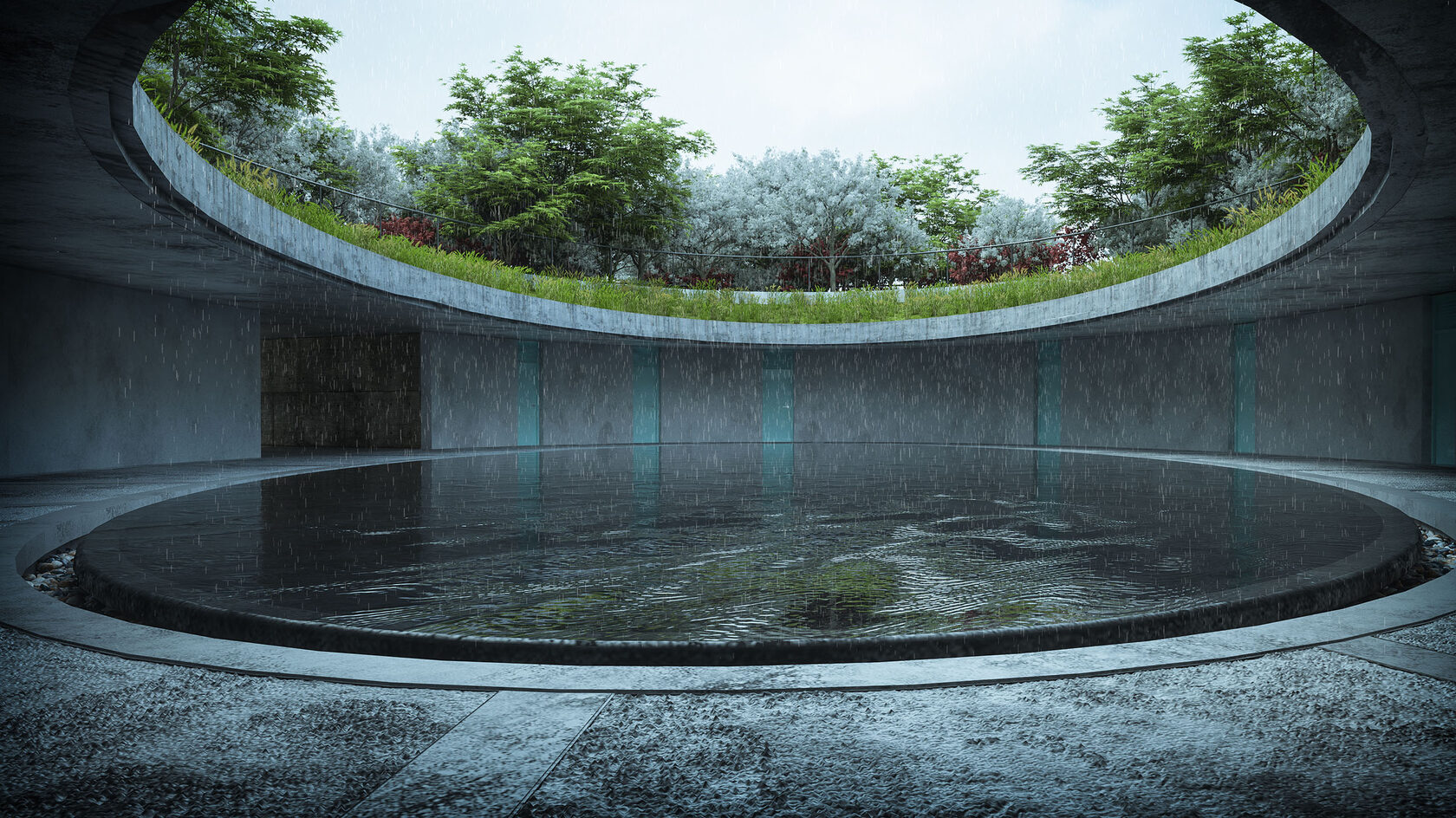
The Shop
Objects chosen for their lineage rather than the season. Everything in the shop traces back to a name, a movement, or a principle you'll find in the Dictionary. When you know why a form exists, owning it feels like a different act.
Browse the Shop ↗
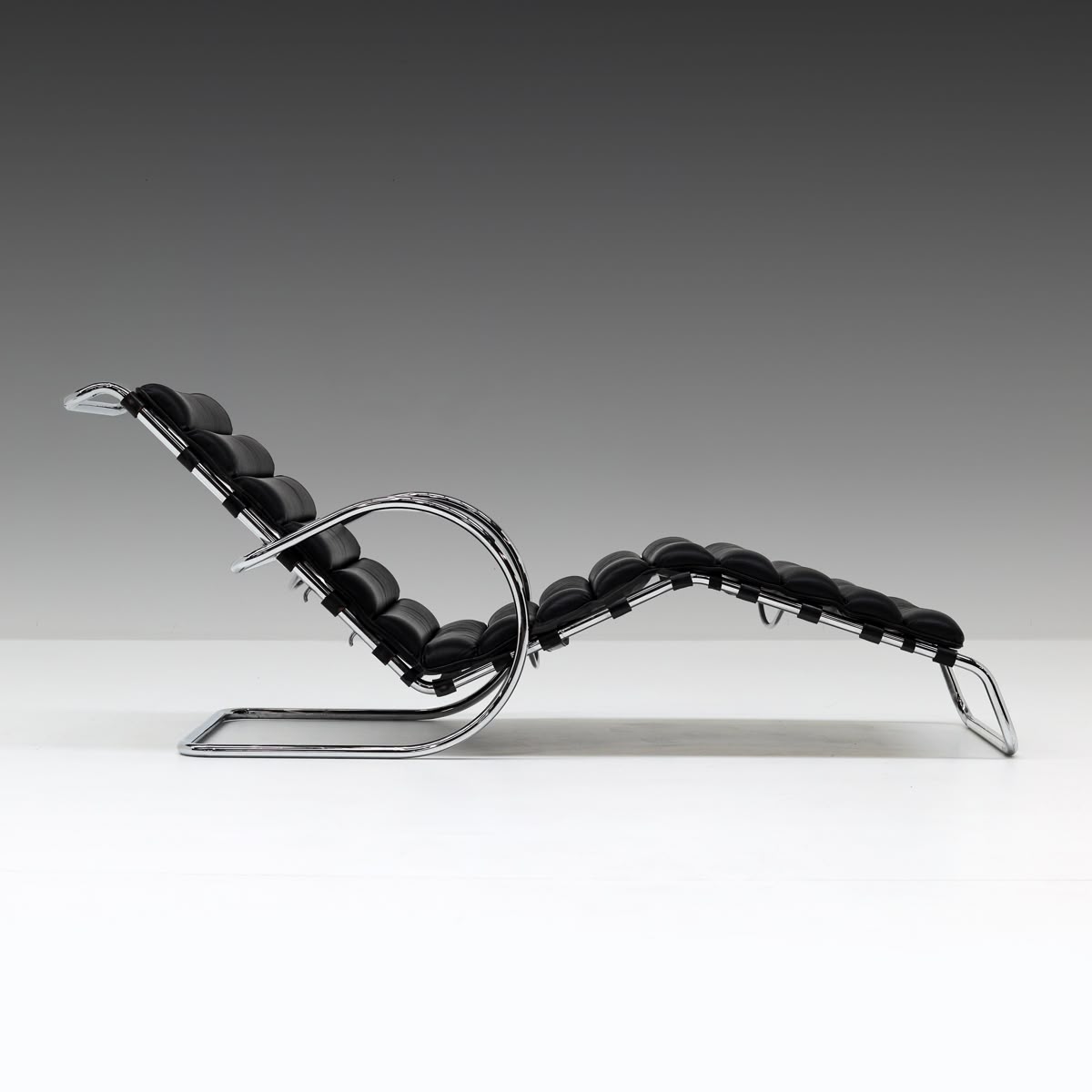
Combinations
Good design rarely lives in a single object; it shows up in how things sit next to one another. Combinations arranges pieces into composed rooms, so you can watch how different materials, proportions and decades hold together, or refuse to.
View Combinations ↗
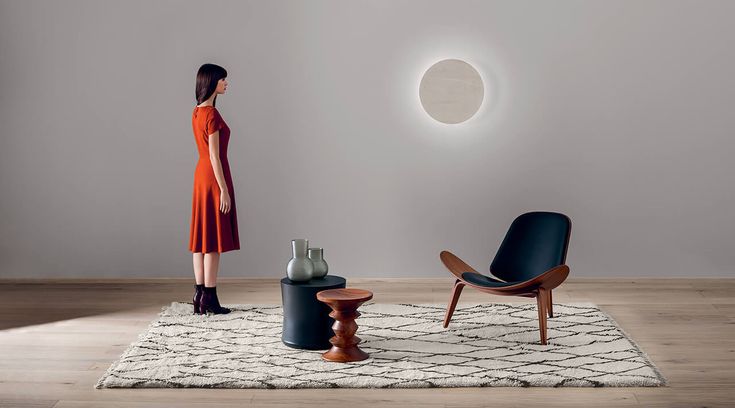
A single map of design's people and ideas: the architects, image-makers and movements that shaped how things look and work, and the lines of influence running between them. It's built to be wandered, not finished.
The whole collection turns on one slow wheel. Spin it, move between disciplines, and open any name to see the web around it: who studied under whom, what grew out of what, and where two careers quietly crossed.
Each entry keeps to what matters: the central idea, the key works, a line worth remembering, where to go deeper, and one thing you can carry into your own eye that afternoon. You can also search it plainly, by name, by material, or by a phrase like "church of light".
Learn turns all of this into something you do. Trace the shortest path between any two names and read why each step connects, test your eye against the collection, or deal yourself a slow stack of works you haven't met yet.
A free account lets you save entries and images to boards, gather thoughts on your own notes canvas, and return to exactly where you left off from any device.
"Eventually everything connects — people, ideas, objects. The quality of the connections is the key to quality itself."